The Gran Bazar is an activity we’ve been doing for several years now. We almost have it down to a science. Almost.
Here’s the formula for how we create this island version of a yard sale. First find hundreds or maybe even thousands of donated items–clothing, shoes and household goods, both new and used—and find a way to get it to Cozumel. Then sort and price each piece low enough to make it affordable for families in need. We’ve learned that people take pride in paying even a few pesos for an item—equivalent to a just a few cents—rather than asking for something to be given to them.
Once items are priced, we pack them up in suitcases and begin looking for someone willing to help us transport them to our sale location. Thanks to Kelly from Cozumel Rocks for taking time off work to bring her truck to help us.
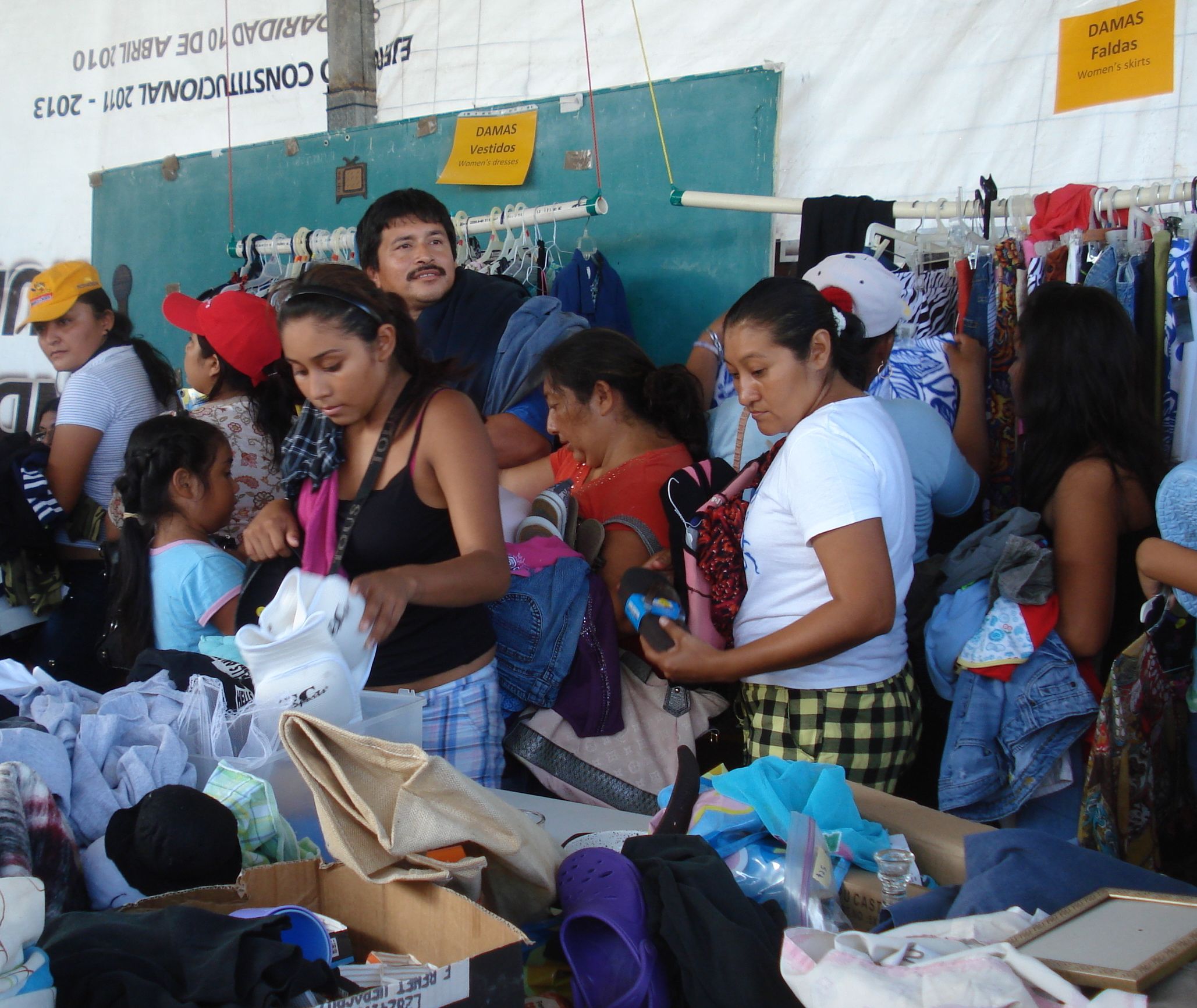
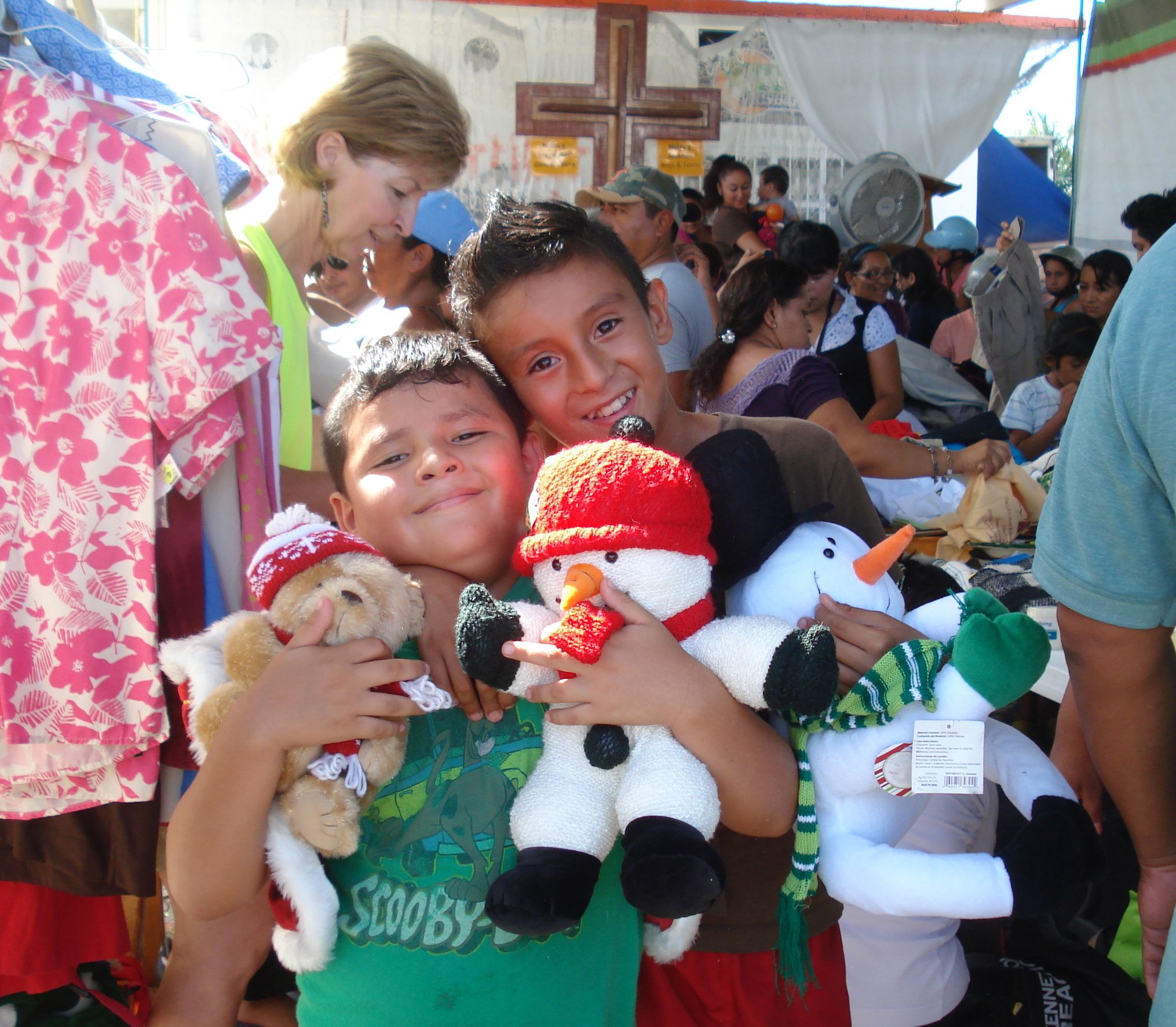
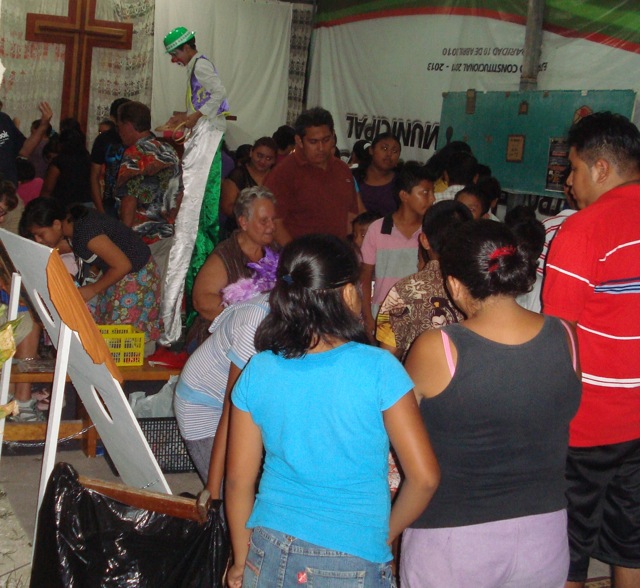
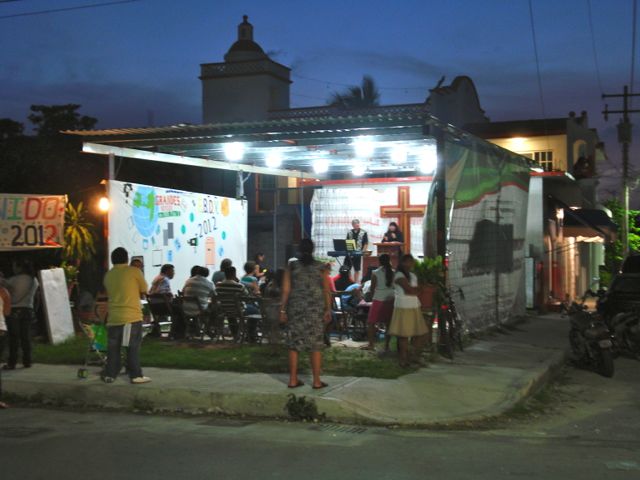
Finding a place to hold a sale can be a challenge. The ideal location is in the neighborhood of the families we’re trying to help. In this case, the bazar was “inside” Vida Abundante, the open-air church. Rather than the typical U.S. approach of taking out ads in newspapers to advertise the sale, we print just a few small fliers and rely on the neighborhood grapevine to spread the word. It works amazingly well. We had a long line of people waiting to get in an hour before the sale was to begin. That’s evidence of the scarcity of valued goods in neighborhoods where resources are very limited. There are no Goodwill stores here. No dollar stores. And even if families had transportation to other parts of town, they wouldn’t necessarily be able to pay the prices in the most affordable stores.
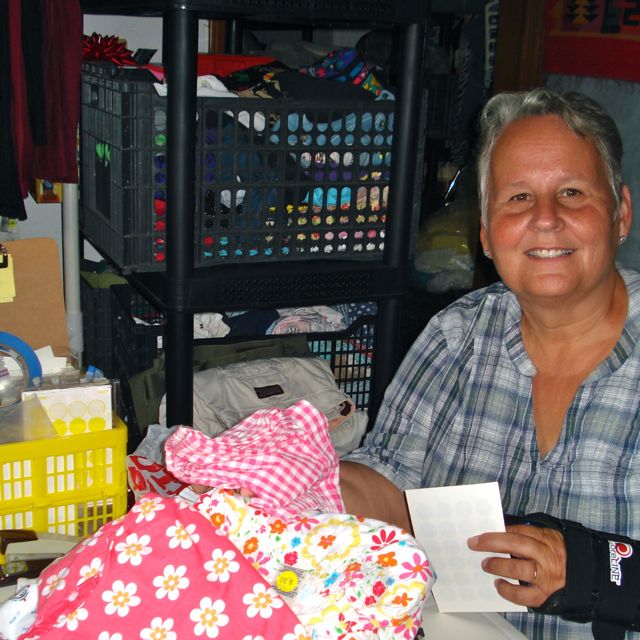
Our sale was staffed by several Friends of Cozumel volunteers as well as church members. The masses showed up, not caring how hot or crowded it was. And they found bargains—donated fashions from U.S., new clearance items from Walmart, lots of gently used but serviceable t-shirts, shoes and other household items. Once the sale was over, we packed up, hauled it back to FOC headquarters and stored to for the next sale.
The pesos earned from the sale are put back into FOC projects and then we start planning to do it all over again. But not right away. Our Gran Bazar formula is very good, but we still have one variable in the equation that we haven’t been able to fix—a bit of exhaustion. Once we’re rested up we’ll begin again, so let us know if you’re coming to Cozumel and are willing to bring a suitcase full of donations. We’d love your help. –Phyllis
-
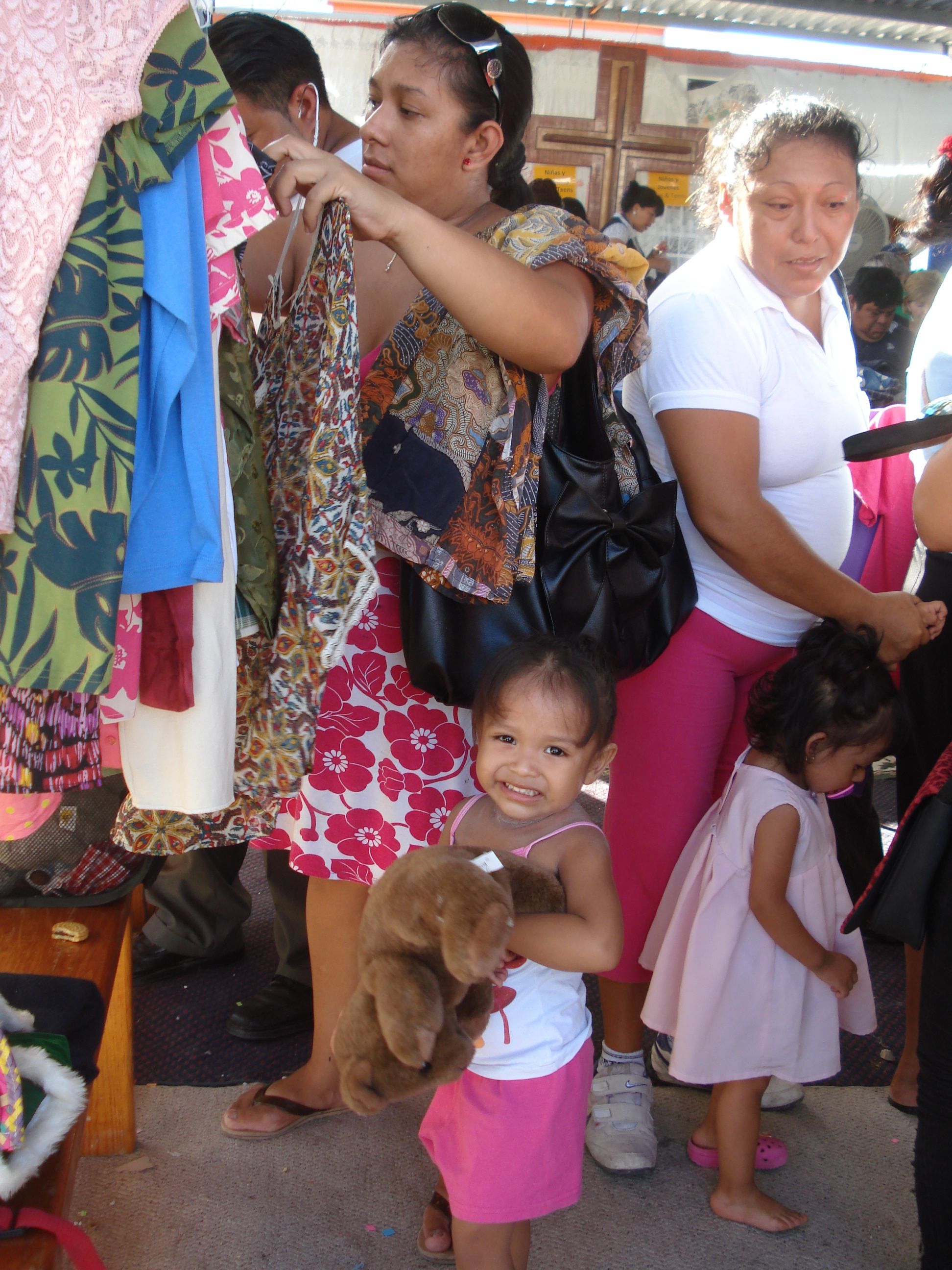
- Young and not so young enjoyed the FOC Gran Bazar.
-

- The Gran Bazar drew crowds of people seeking affordable clothing.
-

- Dontated snowmen toys were a curiosity to the children of this tropical island.
-

- Donated items are stored in every nook and cranny waiting for the next Gran Bazar.

-
- Ilene (left) and April (right) help people count the pesos needed for their purchases.

-
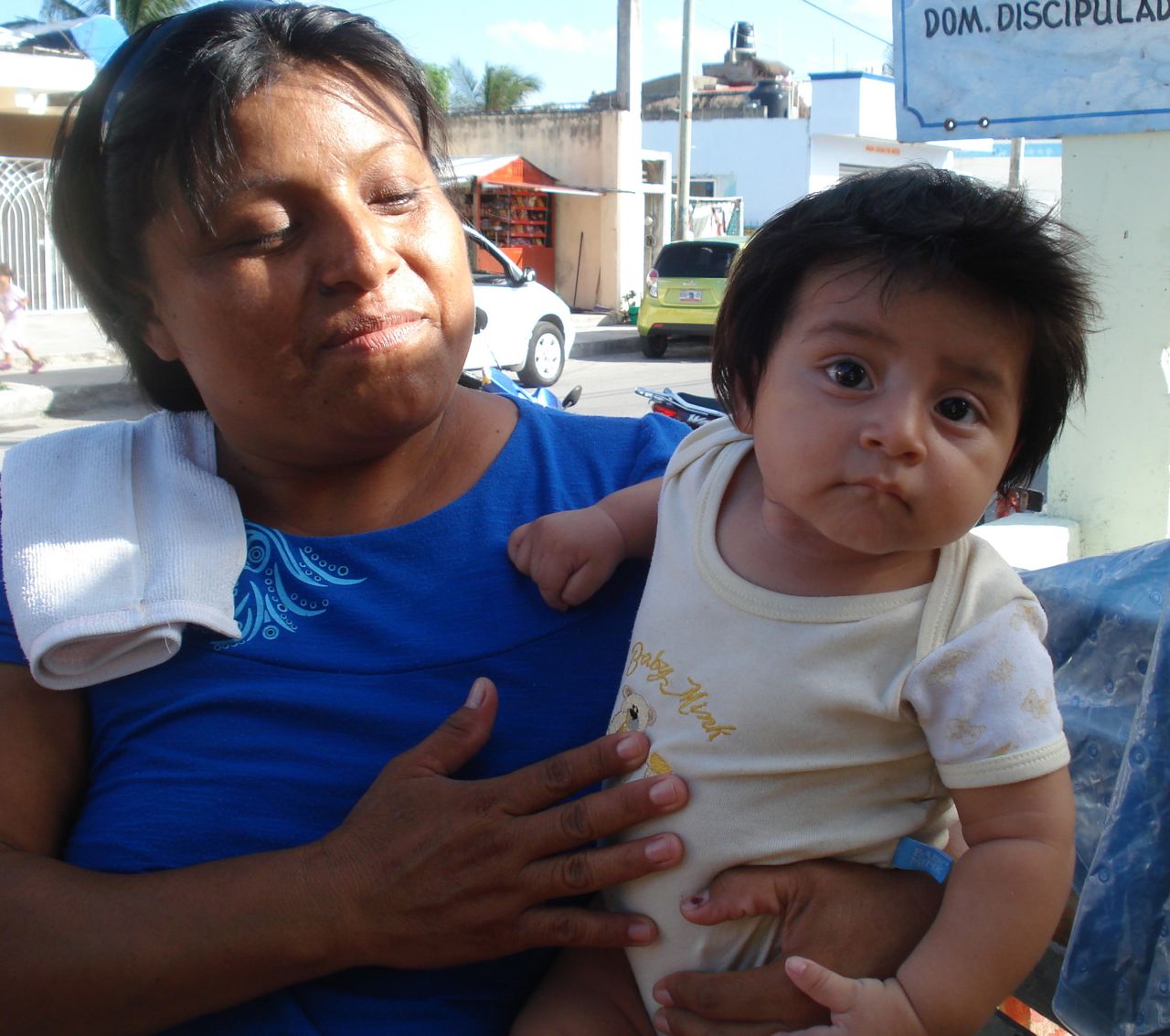
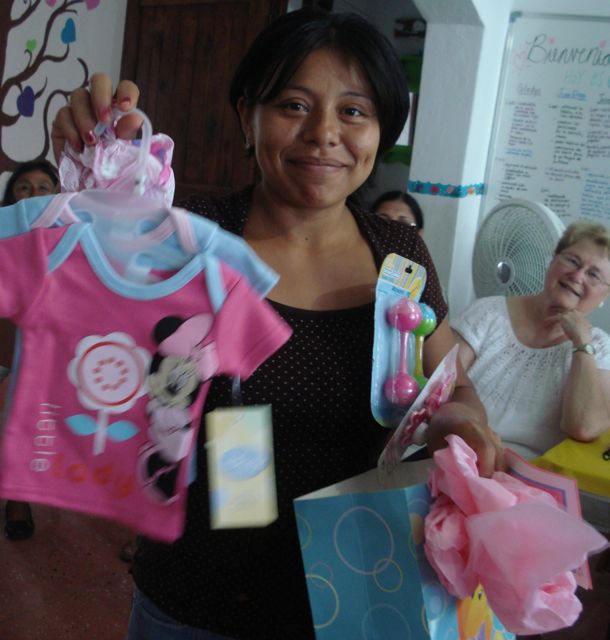
- Clothing for babies and toddlers are always needed for the Gran Bazars.
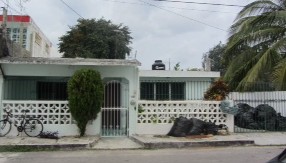
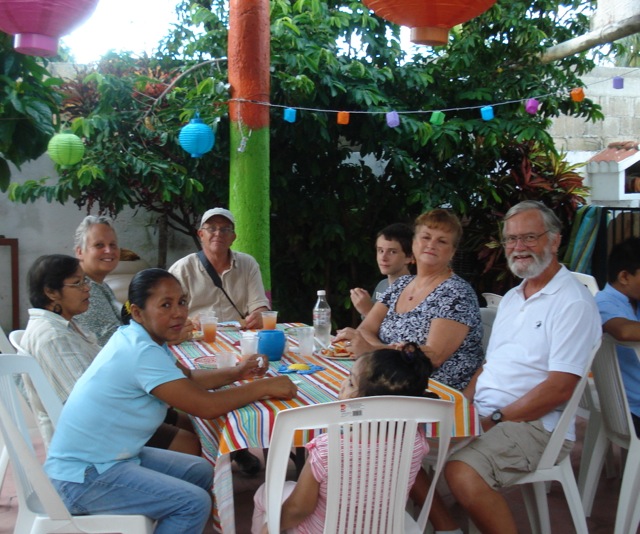


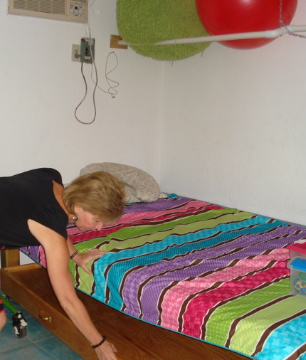


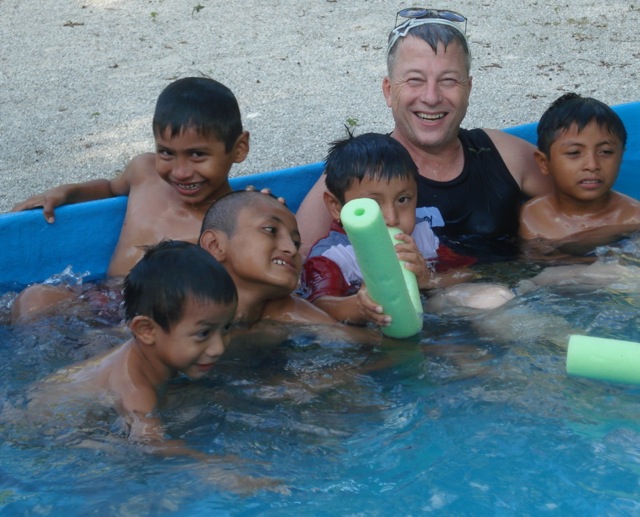
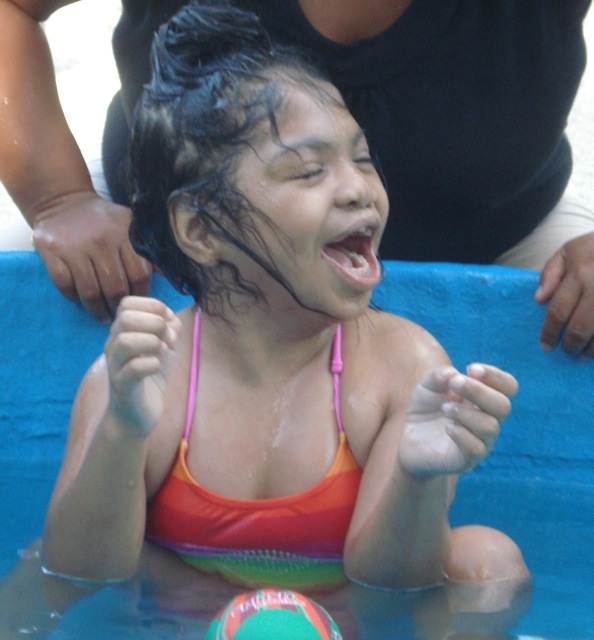

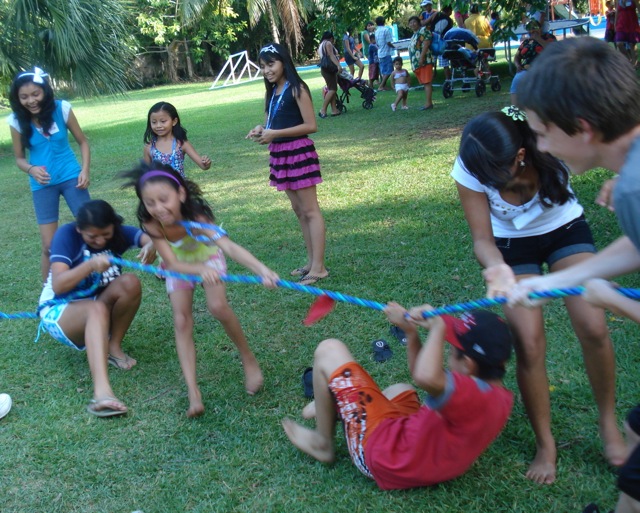
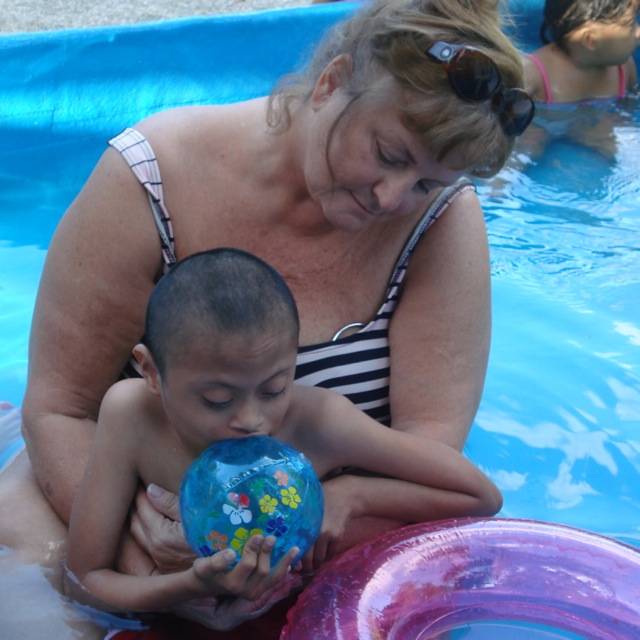




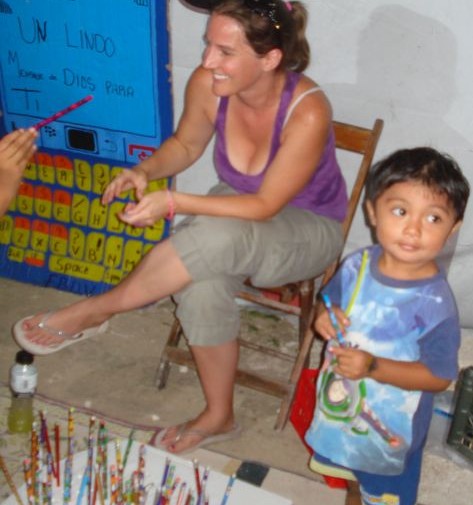
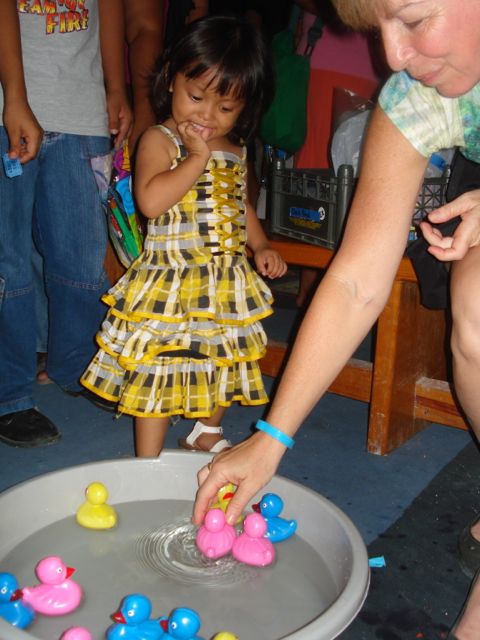




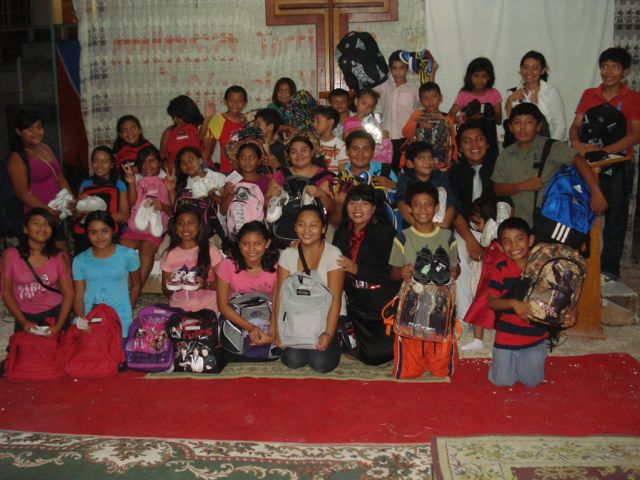
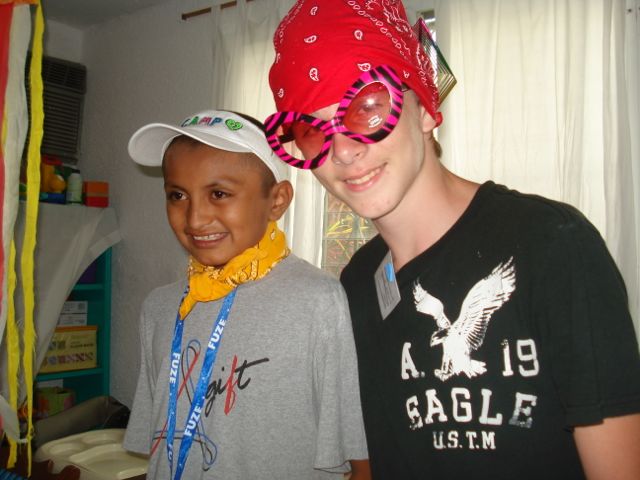
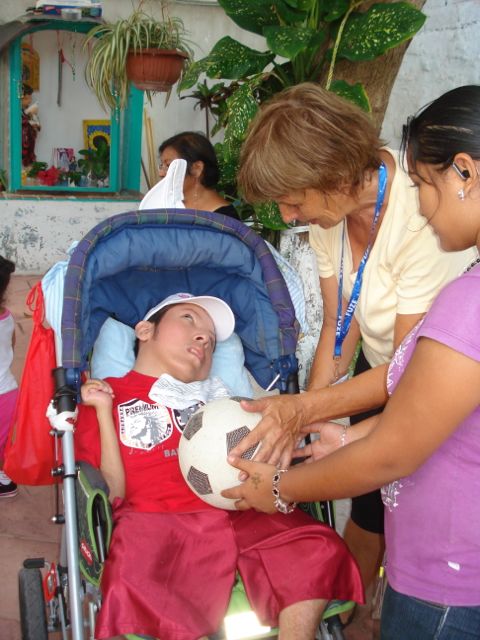
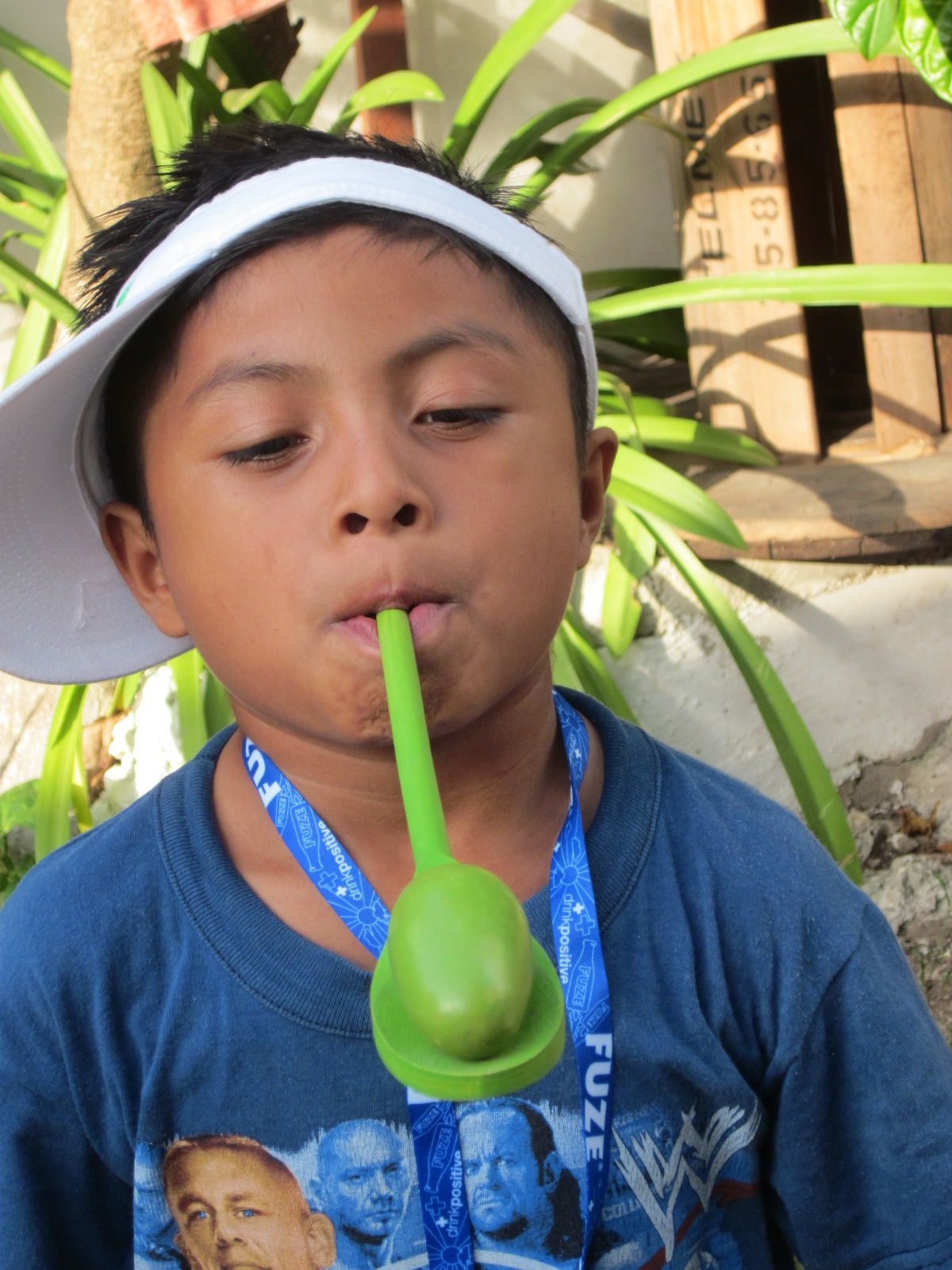


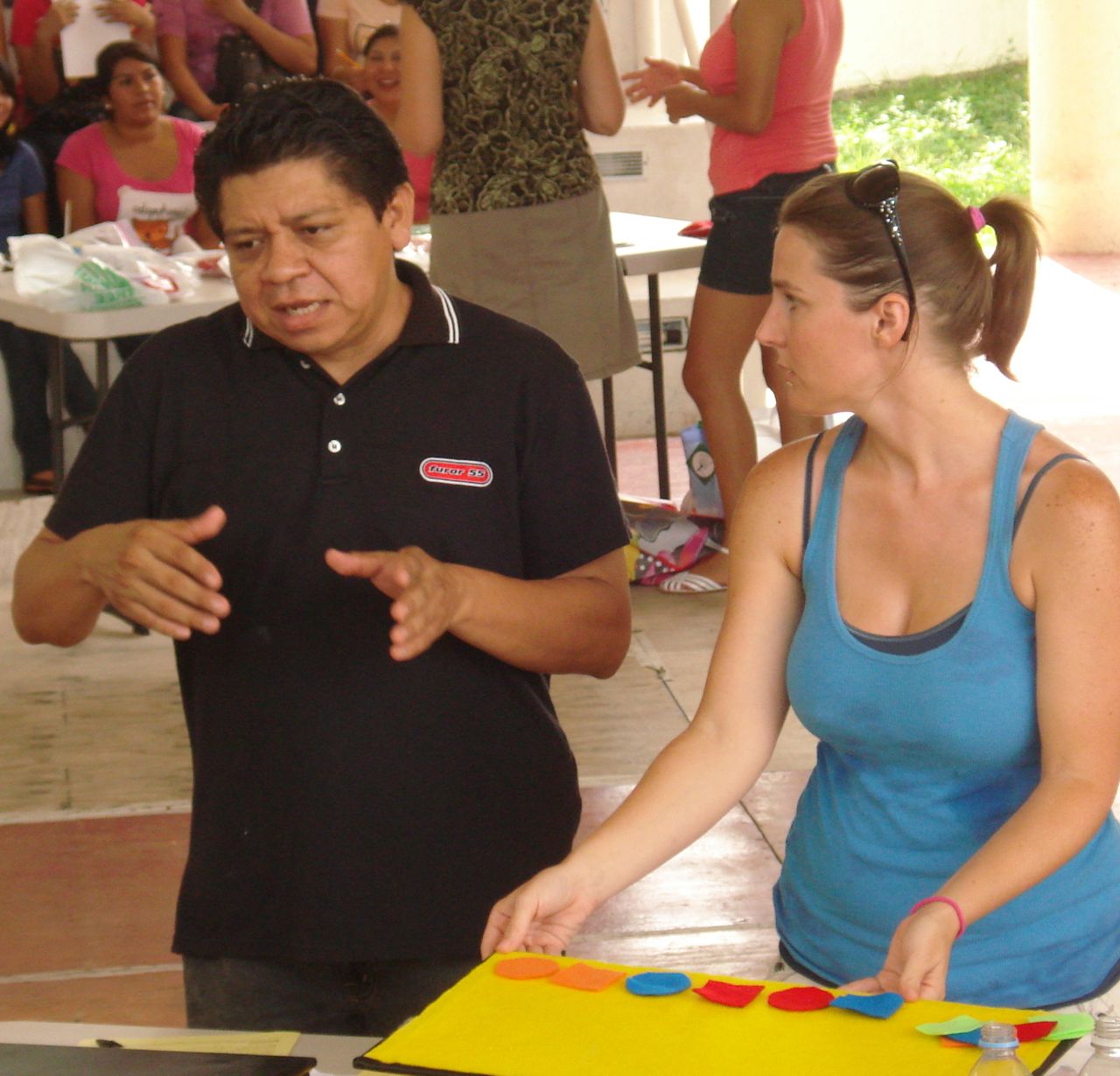


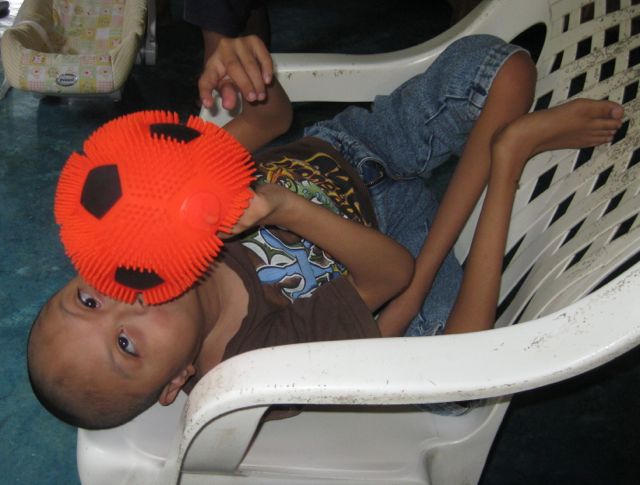


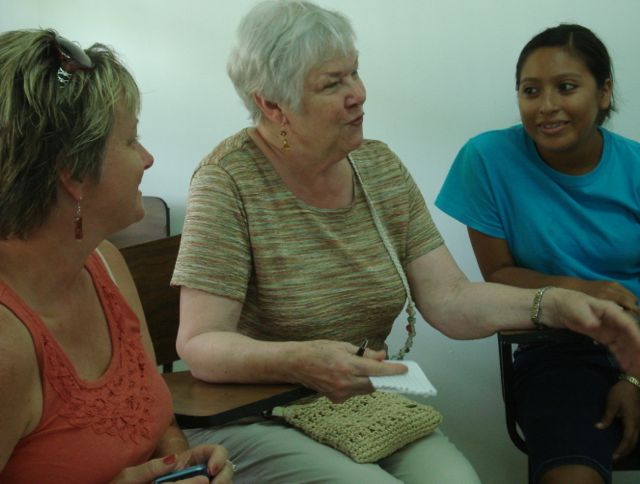





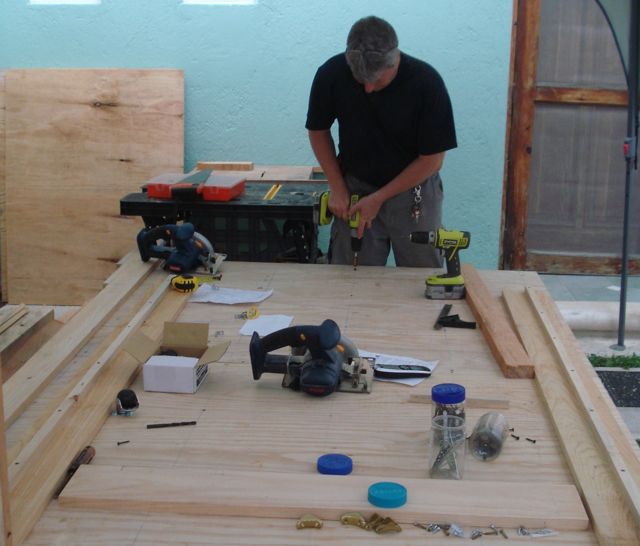
 I am so proud to announce that we now have two “casitas” or “little homes” up and running that are now being utilized for therapy, activities, parent training and distribution of resources for our families. Casita Corazon Cozumel is bright and airy with a wonderful patio area and garden for the children to enjoy. Casita Corazon Carrillo Puerto is open and spacious with an amazing tropical garden and palapa area for parties. The opportunity to rent the homes came at the right time and from people who have wonderful hearts and believe in the work we are doing.
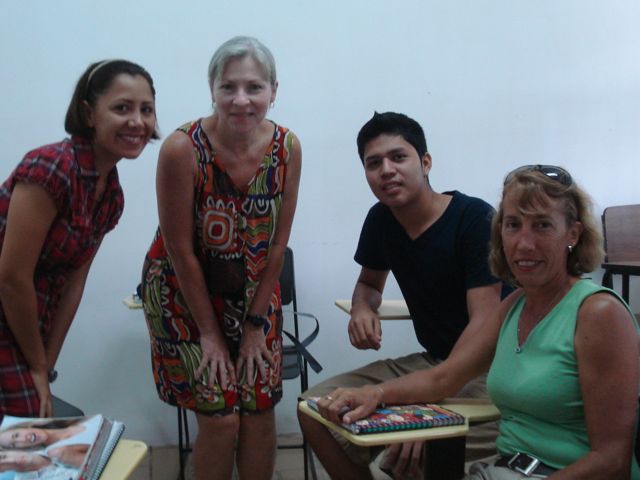
 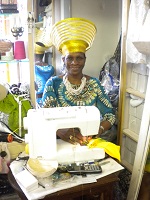 Traveling outside the US reinforces how much more of a mono-lingual culture we are than our counterparts around the world. We expect people to speak English and the rest of the world involved in tourism obliges. Local people at all six of our Southern Caribbean ports of call easily switched back and forth between their native language, English and one or more European languages like this small business owner in the photo.
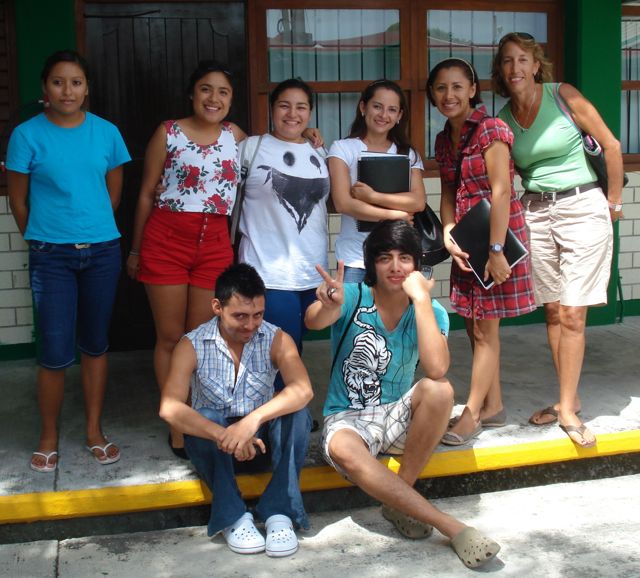
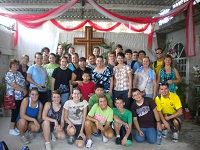 The good news is we’re starting to see a change in the profile of travelers coming here to Cozumel. More frequent visiting volunteers are learning basic Spanish. There is an increase in Spanish speaking US/Canadian residents traveling to the island seeking volunTOURism activities. For example, these three cruise groups have or will serve the Cozumel community through their Spanish language capabilities:
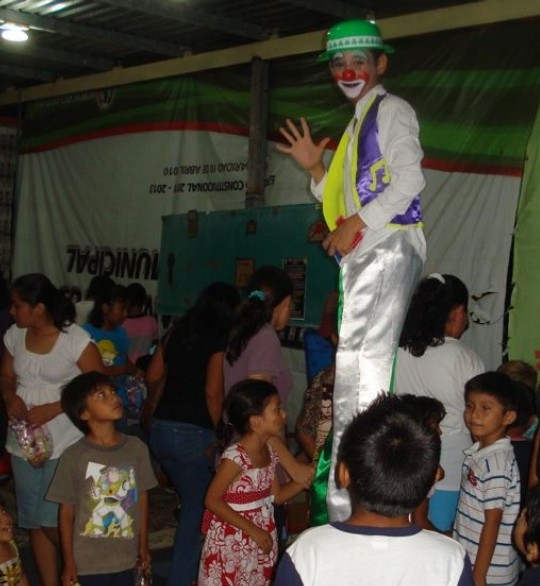
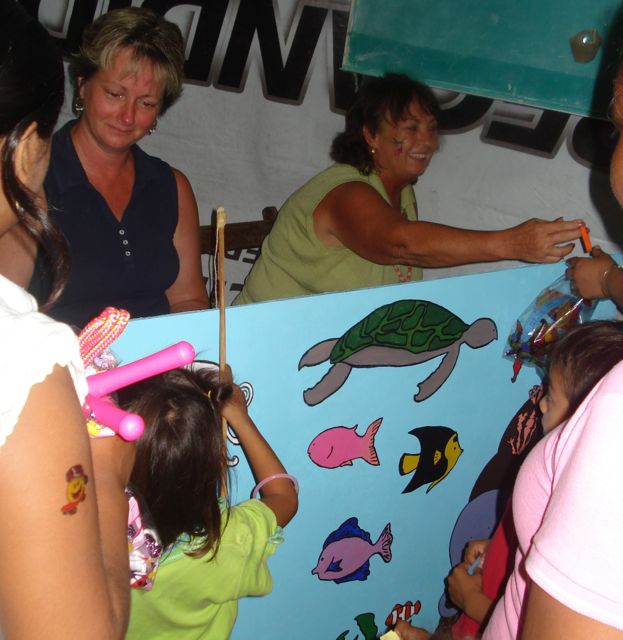
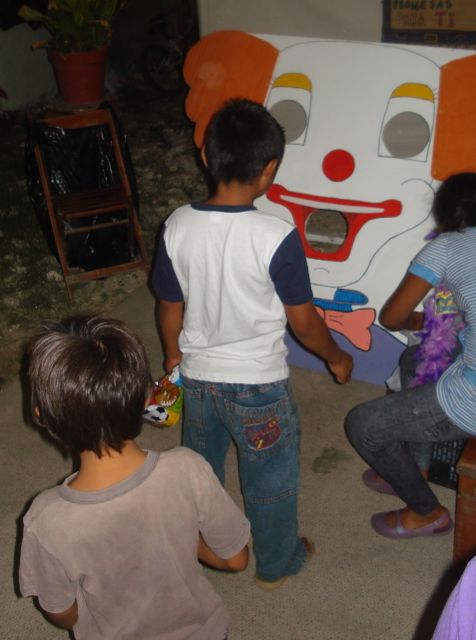
  Parc-Way Assembly of God (Indiana) cruise mission team of 30 teens and adults (see photos) led a youth festival for 100+ children and adults—Aug. 2011. A few of Parc-Way’s group are native Spanish speakers but everyone learned enough Spanish to interact with youth and lead activities.
 The cruise was a humbling reminder of what it feels like to disembark and not know exactly where to go or the process for getting around despite my pre-travel research. Creating your own island itinerary vs. participating in ship sponsored excursions requires a sense of adventure and personal flexibility to deal with whatever happens without the safety net of the cruise line’s “guarantee”. Those of us who live on Cozumel encourage visitors to go beyond Melgar to see and experience the wonderful people and the culture. Yet we don’t often get away to walk in the shoes as visiting tourists in other locations.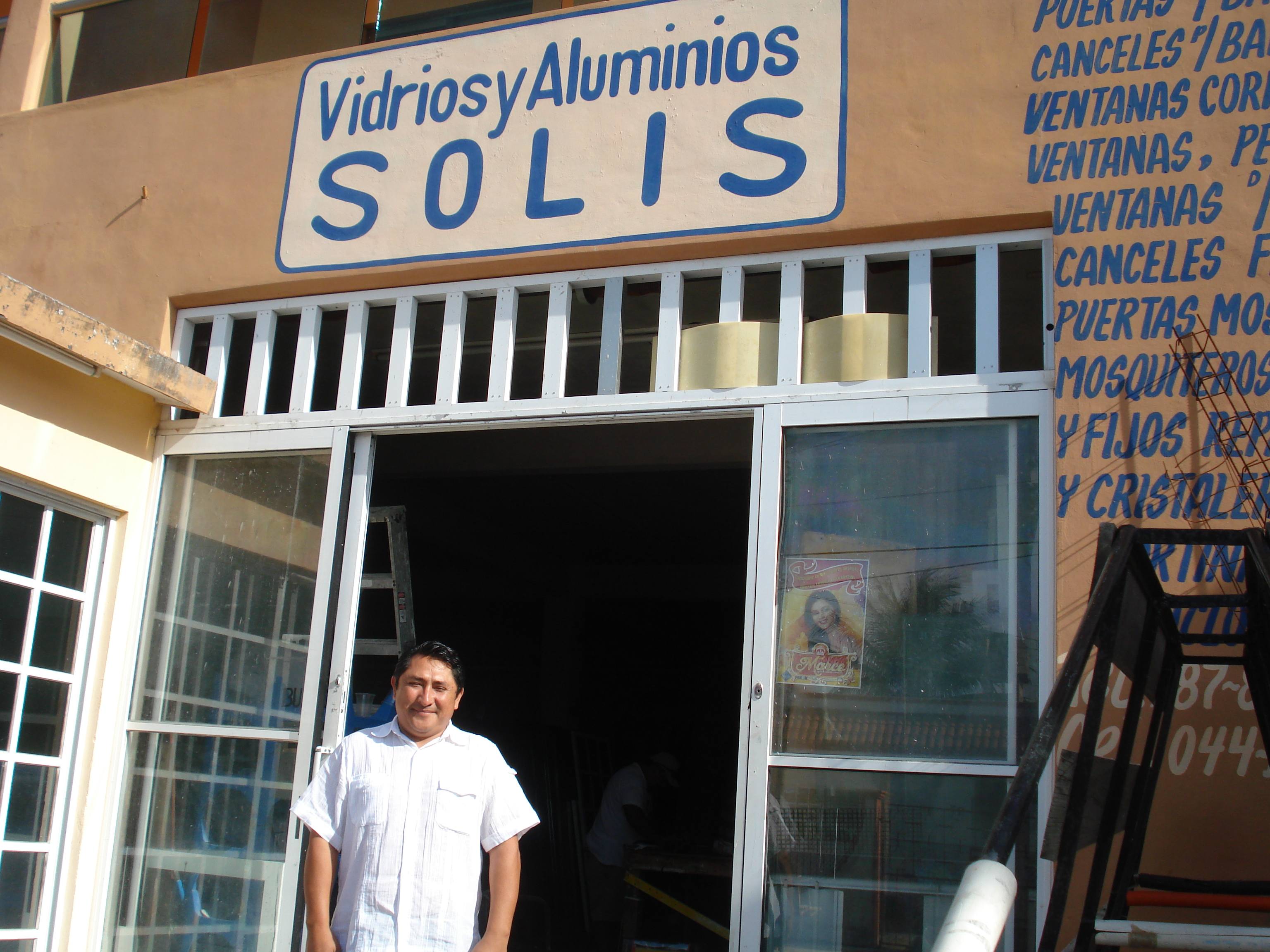

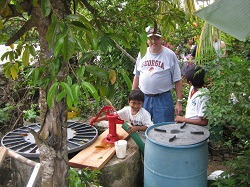 1.Volunteering enables us to put things in perspective about what is truly important. Helping families struggling to provide basic needs of food, water and shelter for their children is humbling compared to things we tend to focus on in our daily lives. Photo at left: Roger helped Jose’s family access water by installing a manual pump in their well.
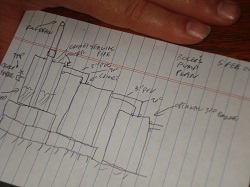 2.Volunteering challenges our problem solving abilities. Not having access to resources typically available in the US or Canada causes us to think differently. We can’t assume the same solutions or materials will work in a tropical climate or an environment where families and organizations may not have reliable services (i.e. electricity, transportation, protection against environmental elements). I jokingly say in the US, some problems can be solved by throwing money at it . . . not so in Mexico. Photo at right: A plan for collecting rain water from the family’s roof, flowing down a tube to store in barrels had to be based on materials available and a process the family could easily maintain over time.
 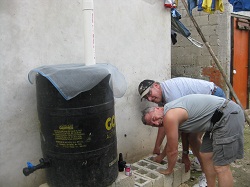 3.Volunteering results in personal growth, learning and discovery often leading first to frustration, then followed by a sense of accomplishment. You can’t walk away from significant volunteer experiences without having changed or gown in some way. It may be overcoming a language barrier to get the job done, require you to work outside your expertise and/or stretch you to address a personally uncomfortable situation. Photo at left: Roger (back) and Larry (front) install the rain water collection system. The first try seldom works (true in this case) and often requires multiple trips to secure supplies and tools. Mission volunteers quickly learn projects take 2-3 times longer than we “think” they should!
 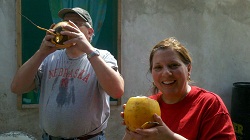 4.Volunteering allows us to share the grace of giving/receiving genuine expressions of appreciation without strings attached, expectations or a sense of entitlement. Photo at right: Jose’s family was so appreciative that one of the children cut fresh coconuts to share cocunut milk with mission volunteers for helping the family access clean water for bathing and washing clothes as well as for dental fluoride treatments provided for the children by Dr. Julie.